Manufacturing Machine Tool Defect Detection
Product-level detection of vibration-induced surface defects using sensor signal analysis
Overview
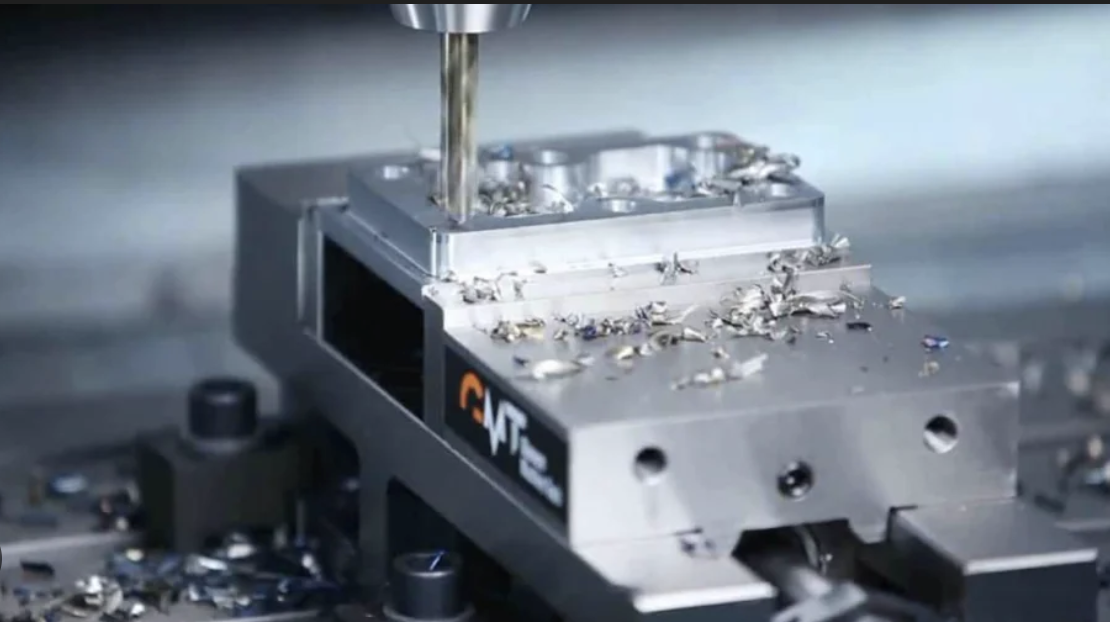
This project focuses on detecting vibration-induced surface defects in CNC machining using machine sensor signals. The analysis leverages vibration acceleration, actual position, and load current data to identify abnormal machining behavior associated with surface defects at the product level.
Working with a CNC drilling/tapping machine finishing outer contours, the goal was to develop a data-driven approach to quality control that could identify defective products before they reach manual inspection stages.
Challenge
Surface defects in precision manufacturing are costly and time-consuming to identify through manual inspection. The challenge was to:
- Distinguish between normal operational variation and actual defect-causing behavior
- Work with limited labeled data (only 2 defective samples vs. 30 normal samples)
- Handle high-dimensional time-series sensor data from industrial equipment
- Develop insights that could be actionable for manufacturing operations
Data & Methodology
Data Sources:
- Vibration Acceleration: Real-time vibration measurements during machining
- Actual Position: X, Y, Z axis position tracking throughout the process
- Load Current: Motor load current indicating cutting forces
Data Granularity:
- One file per complete product machining session, containing: 30 normal machining runs (unlabeled), 1 idle run (Z-axis raised, same G-code without cutting), 2 defect runs (products with vibration marks identified via manual inspection).
Analysis Approach:
- Signal Preprocessing: Data cleaning, alignment, and noise reduction across multiple sensor streams
- Feature Engineering: Time-domain and frequency-domain feature extraction from sensor signals
- Comparative Analysis: Statistical comparison across normal, idle, and defect runs
- Pattern Recognition: Identification of signature patterns in defective vs. normal products
- Product-level Detection: Aggregating sensor insights for whole-product quality assessment
Key Insights
- Identified distinctive vibration patterns in frequency domain that correlate with surface defects. Discovered specific load current anomalies occurring during defective product machining. Developed a comparative baseline using idle runs to distinguish cutting-related vs. mechanical vibrations. Created product-level feature profiles that could be used for automated quality screening. Demonstrated feasibility of sensor-based defect detection even with limited defect samples.
Impact & Applications
This analysis provides a foundation for implementing real-time quality monitoring in manufacturing:
- Early Detection: Potential to identify defects during machining rather than post-production
- Cost Reduction: Minimize waste and rework by catching defects immediately
- Process Optimization: Insights into machining parameters that lead to defects
- Predictive Maintenance: Unusual patterns could indicate machine tool degradation
Data Confidentiality Note
Raw sensor data is not included in the public repository due to company confidentiality agreements. The GitHub repository shares the analysis workflow, methodology, and code structure while protecting proprietary manufacturing data.